AGP Executive Report
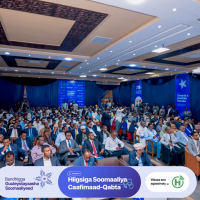
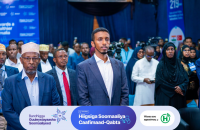
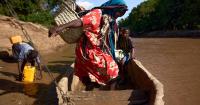
Last update: 6 hours agoFlood Risk: The UN migration agency warns that 874,319 people in Somalia could be displaced from October to December, mostly by floods. Rising waters could contaminate water, damage crops and cut off healthcare; just 14.4% of the response funding needed has been secured. Ebola Preparedness: Kenya’s outbreak and hundreds of unofficial border crossings are complicating screening efforts. Somalia has heightened vigilance as regional health authorities work to limit spread. Health Investment: Somalia’s health minister joined about 350 participants at a Mogadishu forum hosted by Hormuud Telecom, focused on investment, access to care and gaps in medical services. Care Priorities: A new commentary proposes a hospital pathway to identify and treat diabetic foot problems, while Save the Children warns that only 31% of funding needs for food security, nutrition, health and water programmes across crisis-hit countries, including Somalia, had been met by early October.
Note: AI summary from news headlines; neutral sources weighted more to help reduce bias in the result. Feedback is welcome. Please let us know if you have any comments or suggestions about the AGP Executive Report.
 Perspectify News